



 Safari Planning
 When to See the Great Migration: A Month-by-Month Guide
The herds move all year — the question is not whether you will see them, but which part of the story you want to watch. Here is where the migration is, month by month.
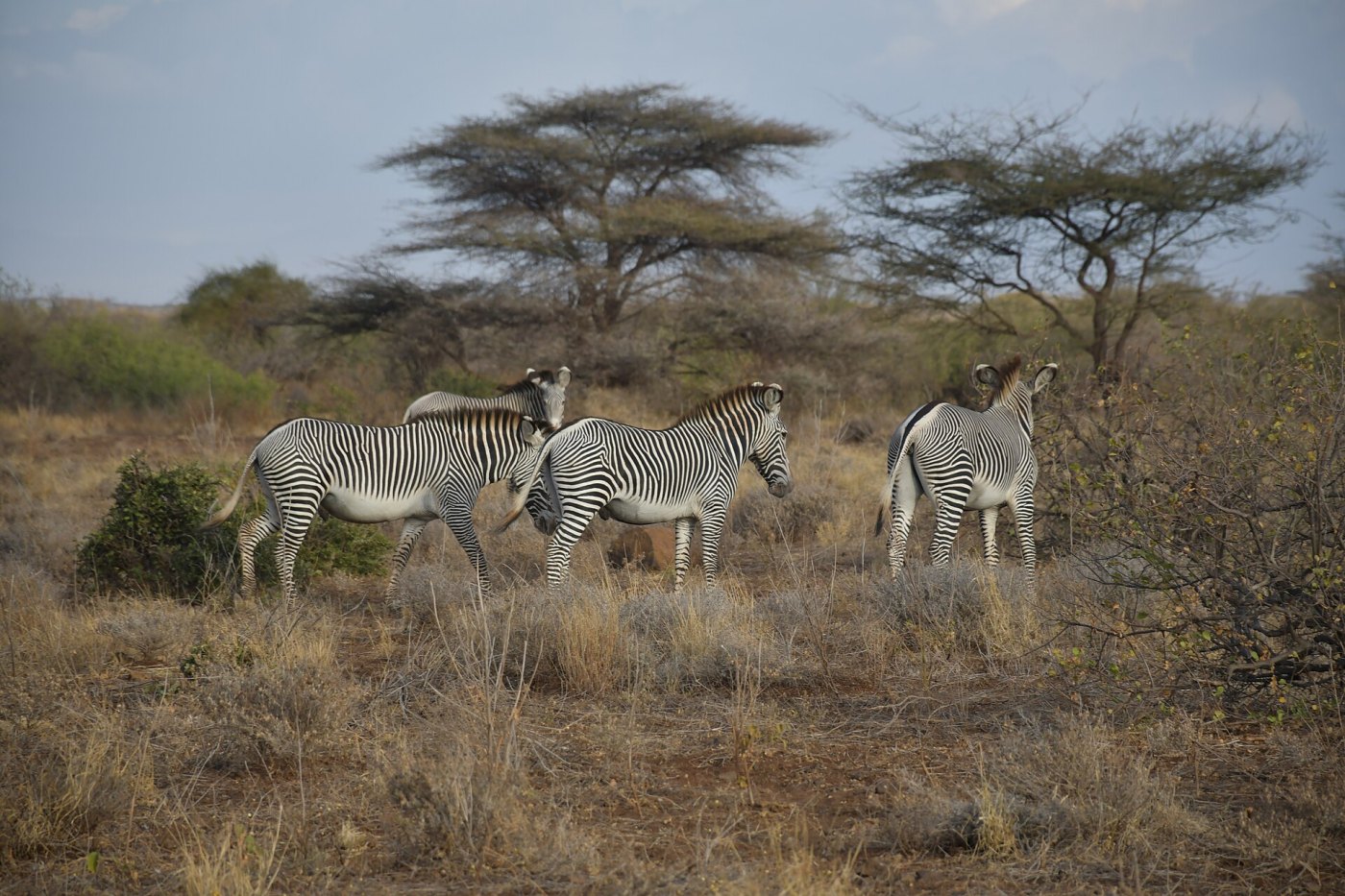
The single most common question we are asked is "when should I come for the migration?" — and the honest answer is that the migration never stops. Roughly 1.5 million wildebeest, plus 200,000 zebra and 350,000 gazelle, move in a continuous clockwise loop through the Serengeti–Mara ecosystem, driven by rainfall and grass. They are always somewhere. The real question is which chapter you want to see.
January to March — calving on the southern plains
The herds are on the short-grass plains of the southern Serengeti and the Ndutu area. Around 400,000 calves are born within a three-week window in February, which is a spectacle in its own right — and it draws every predator in the ecosystem. If you want to see hunting, this is the season, and it is far less crowded than the river-crossing months.
April to May — the long rains
The herds begin drifting north-west through the central Serengeti. This is low season: rates drop substantially, the landscape is green and photogenic, and you will have parks largely to yourself. The trade-off is genuine rain, sometimes for hours, and some seasonal camps close.
June to July — the Grumeti and the move north
Columns form and push north through the Western Corridor, crossing the Grumeti River. Crocodile activity here is dramatic and far less photographed than the Mara River crossings. By late July the leading herds are entering the northern Serengeti.
August to October — the Mara River crossings
This is the season everyone pictures: herds massing on the riverbank, hesitating for hours, and then committing in a torrent. Crossings happen on both the Tanzanian and Kenyan sides, and they are genuinely unpredictable — a herd can wait two days and then cross at four in the afternoon with no warning.
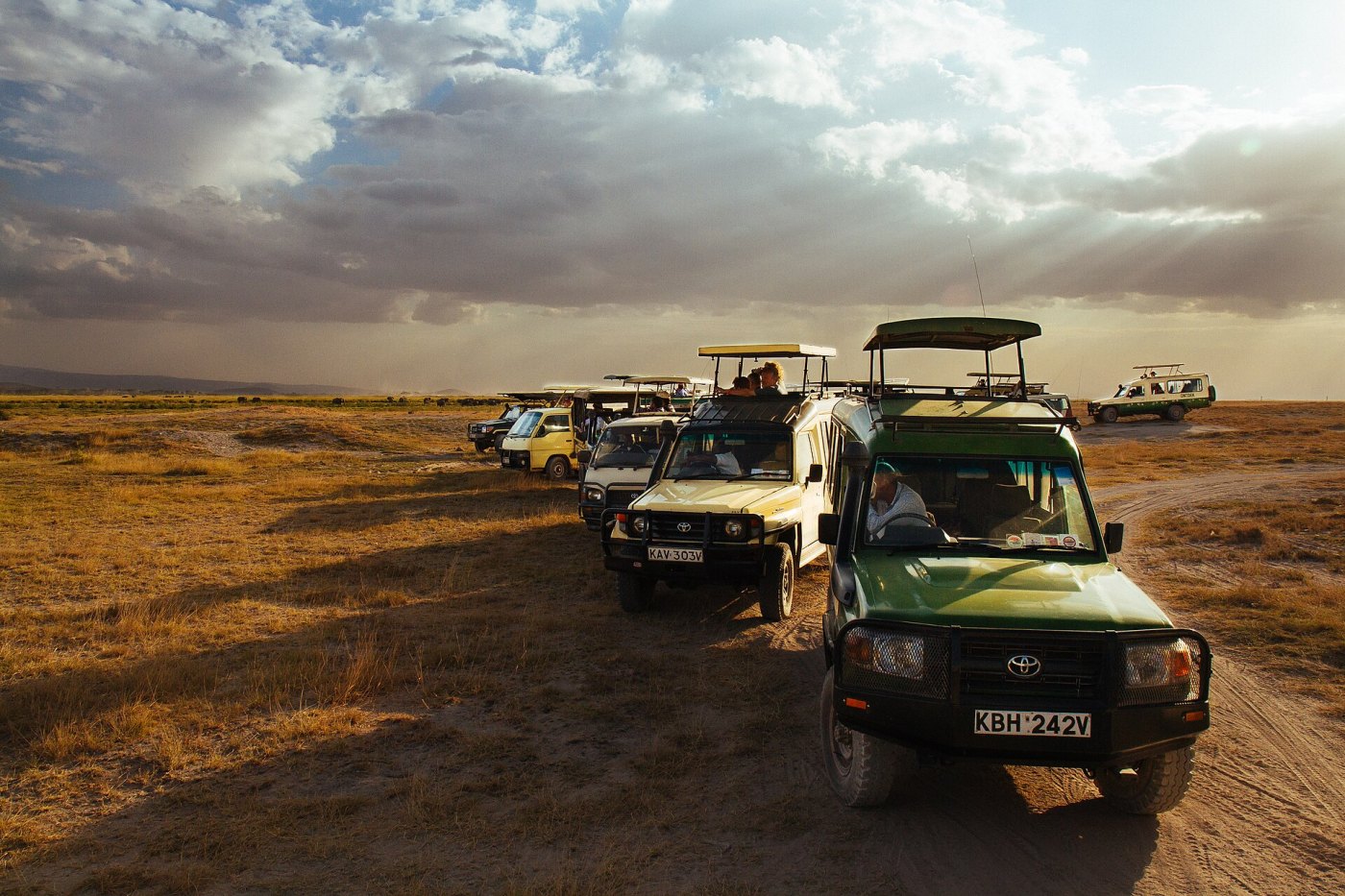
Our advice: budget at least three nights in the Mara or northern Serengeti during crossing season. One night is a lottery ticket. Three nights is a reasonable expectation.
November to December — the return south
The short rains green the southern plains again and the herds turn back. November is an underrated month — good rates, thinning crowds, and herds strung across the central Serengeti in long lines.
So when should you book?
If your priority is river crossings, come in August or September and book at least nine months ahead — the good camps in the northern Serengeti and the Mara Triangle sell out early. If your priority is predator action and value, come in February. If your priority is having the place to yourself, come in May or November.
Whatever you choose, we will tell you honestly where the herds are likely to be when you travel, and build the itinerary around that rather than around a fixed route.